By Lee Wells/Contributing writer
On March 13, 2024, I loaded my flatbed trailer with as much feed as it could carry and headed to the Texas Panhandle. The Smokehouse Creek fire had become the largest wildfire in Texas history, and thousands of cattle had died. Over two days, I sat at kitchen tables and walked through burned-out barns with ranchers who had lost their herds, their fences, and at least a year of income. That trip became a documentary titled “We’re Here” (available on Amazon Prime) about the people who showed up to help them. Those families still had their land, but it also now carried a mounting debt load, and land is the largest asset that determines a ranch family’s value on paper.
That gap, between what a family owns and what it actually has to spend, is exactly what some in Washington want to tax. Sen. Bernie Sanders and Rep. Ro Khanna have proposed a 5 percent tax on billionaires’ net worth, charged every year. Sen. Elizabeth Warren’s plan starts at $50 million. Sen. Ron Wyden would tax unrealized gains, the yearly rise in what an asset is worth, sold or not. All three sit on the Democratic side of the aisle, and all three make the same pitch: this is someone else’s tax. Sanders’ office promises that no one worth less than $1 billion would pay a penny more, but that is where it always begins; once the principle is in place, the push to tax anyone with any assets follows.
The fires brought a second blow. With grass, barns, and water wells burned, many ranchers were forced to liquidate their herds overnight. That created a sudden influx of unplanned income that pushed many of them into a higher tax bracket, punishing them at a time of great loss. After they paid the tax bill, they had even less money to buy back their herds once they recovered.
Americans have heard promises like this before. When the federal income tax arrived in 1913, fewer than one percent of Americans paid it. By World War II, it had become a mass tax on the middle class. Nobody ran for office promising to tax working families. The line simply kept moving. It always does.
The very wealthy are the people best able to move assets, restructure, or leave. California voters haven’t even voted on their billionaire tax yet, and six billionaires have already publicly left, taking an estimated quarter of the expected revenue with them. When the money falls short, politicians don’t cut the programs they promised. They go looking for the next tier down. In New York City, a mayor elected on taxing the rich threatened a 9.5 percent property tax hike when Albany balked at taxing the wealthy, a bill that would have landed squarely on middle-class homeowners. He has since signaled he will likely back off, but the instinct showed.
In Texas, the next tier down is land. The statewide price of rural land has climbed sharply since 2020, and anyone ranching on the edge of Dallas–Fort Worth can watch the growth creep toward the fence line. None of that shows up in a cattle check. A tax on paper value would bill ranchers for gains they could only collect by selling the ground their cattle graze. Texas has lost about 68 farms a week in recent years, and more than 1,000 acres of working land a day.
This taxation wouldn’t stop at the pasture gate, either. Along with the ranch, I run a ranch-to-table business with restaurants in Rockwall and Royse City. A net-worth tax counts the cattle, the trucks, the buildings, and the value of the business itself, and I can’t cash any of it in to pay the proposed new tax bill. Khanna has already pushed for a deferral for startup founders whose stock can’t be sold yet. If taxing paper wealth is unfair to a founder who can’t sell, it is unfair to a rancher who won’t sell the land his family depends on.
Texans have already drawn their own line. In November 2025, voters banned a state tax on capital gains, realized or not, and gave about 90 percent support to property tax relief for homes destroyed by fire. We understand that a family recovering from disaster needs room to rebuild, not a new bill, and never a new tax on unrealized inflation. But those votes bind Austin. They do not influence Congress.
Whoever Texans send to the U.S. Senate on Nov. 3, and every member of our House delegation, should state plainly for the record that they will oppose any federal tax on net worth or unrealized gains, no matter where the threshold starts, and keep it out of any year-end deal in Washington.
After the fires, strangers drove hundreds of miles to tell Panhandle ranchers, “We’re Here.” They brought the grain and hay. Washington offered little help, no hay or grain, and should not show up now with a tax bill on land families are fighting to keep.
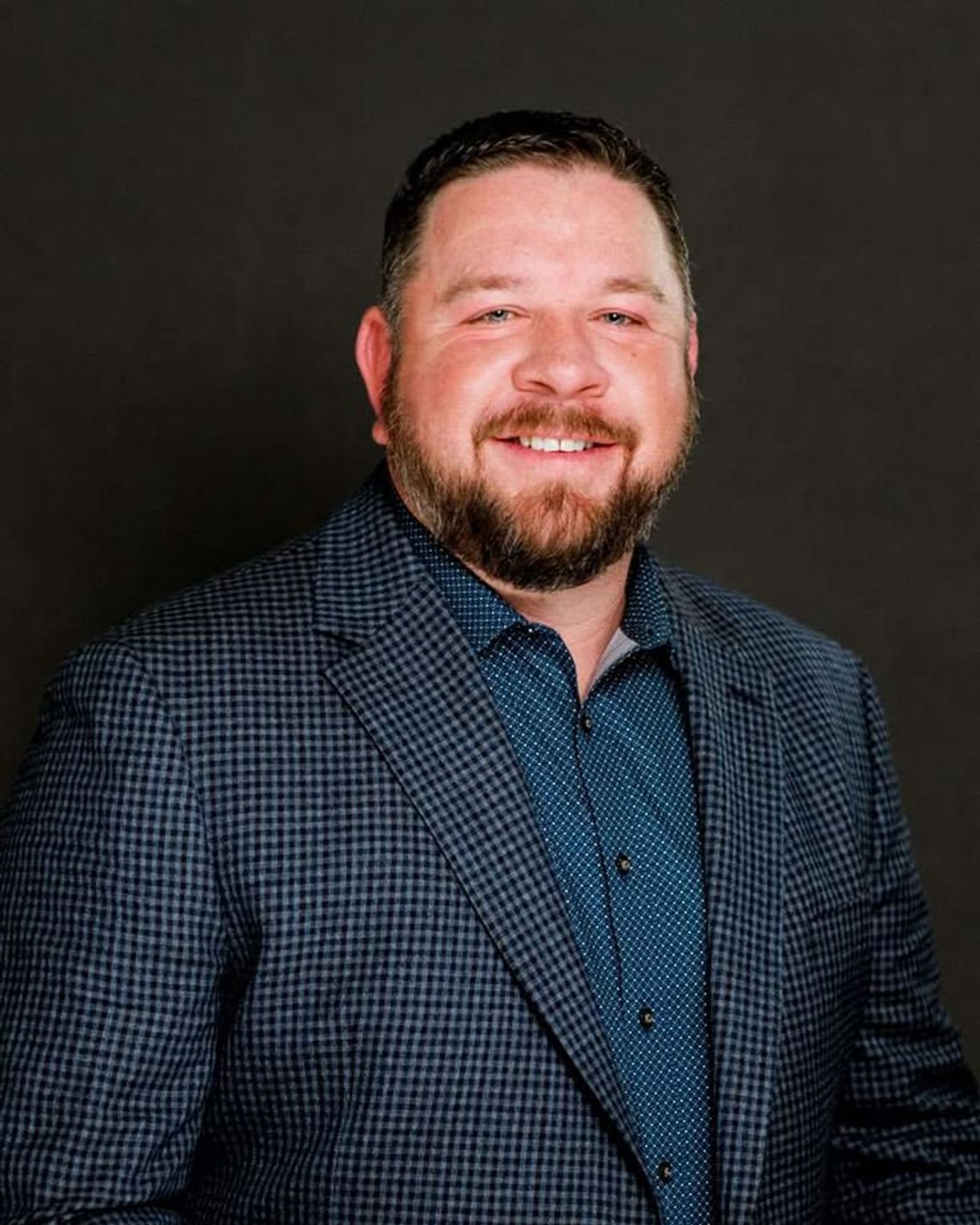
Lee Wells is a rancher, entrepreneur, and owner of Wells Cattle Company, a ranch-to-table business with restaurants in Rockwall and Royse City. He is also an author and filmmaker whose documentary “We’re Here” tells the story of Texas Panhandle ranchers after the 2024 wildfires.