Something about the 2026 election just doesn’t feel right to me.
I’ve been around politics a long time. I’ve worked on campaigns, watched plenty of elections, and I’ve seen my share of political mudslinging. None of that is new, but there’s something about this election that seems different.
Once upon a time, campaigns were funded by teachers, firefighters, farmers and small-business owners who believed in a candidate and wanted to help get them elected. Candidates campaigned across Texas on whistle-stop tours, stopped in our small towns, shook hands, kissed babies and answered questions. They debated their opponents and tried to convince voters that their ideas were better.
Of course, wealthy donors have always donated to campaigns, and politicians have always struggled with the whole truth and nothing but the truth. But politics never quite looked like it does today. Political campaigns were once built on ideas, persuasion, a ground game and the people, but the playbook has shifted to big money, deception, fear tactics and power.
And I’ll say it because it’s true: a ridiculous amount of cash is being spent on Texas elections. From the governor’s race to the U.S. Senate race, billionaires and wealthy political donors are pouring millions of dollars into deciding who wins. Elon Musk gave $158 million to a national Republican Senate group helping Ken Paxton in Texas. Gov. Greg Abbott has spent more than $141 million on his reelection campaign this year, outspending Gina Hinojosa six to one during the latest reporting period. Outside political groups and super PACs are spending fortunes trying to influence voters. NPR reported this week that political advertising across the country has topped $10 billion — yes, that’s billion with a B.
And you’ve seen what that money is buying: a whole lot of political advertising — radio ads, TV commercials, billboards and mail — much of it designed to scare us rather than persuade us. There’s an important difference between those two things. Persuasion means making your case, explaining your ideas and defending your record. Scare tactics are meant to manipulate our feelings, and to do so, they may leave out important facts, twist the truth or make people afraid of something without giving them the information they need to understand it.
Three examples of political advertising this election season help make my point. Texas already has a constitutional ban on an individual state income tax, and we have laws that prohibit the gender transition of minors and prohibit boys from playing in girls’ sports. Yet some of the advertising leaves voters with the impression that none of these protections exist. We’re being firebombed with poll-tested messaging designed to push our buttons, and frankly, some of it is out of hand.
When I talk to Texans, most would prefer to hear more about how the candidates will lower property taxes, support our public schools, address water shortages, and deal with the other things our elected officials actually spend their time working on.
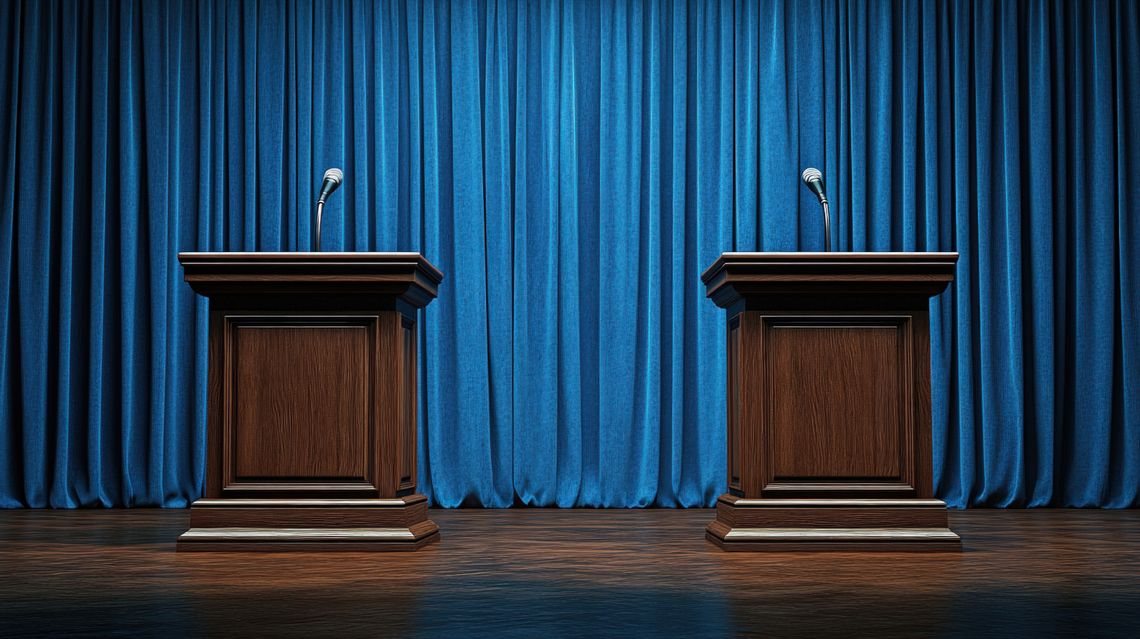
And can someone please help me understand why there are no debates?
Our Founding Fathers spent plenty of time arguing over ideas, and they built a government where disagreement and debate were part of the process. A debate ought to be a rite of passage for anyone asking us to elect them to public office.
Think about it. If a candidate can’t stand on a stage, answer tough questions and defend their ideas against someone who disagrees with them, how will they do the job once they’re elected? Debating is part of the job description.
Campaign events are carefully controlled, with friendly audiences and prepared remarks. We need debates to see candidates in the wild, answering questions they haven’t rehearsed and defending their ideas in front of people who disagree with them. Debates help us to see what they’re really like.
Which brings me to the last part of the new playbook: power.
Of course, winning elections is the whole point of running a campaign. Republicans want to keep control of Texas, Democrats want to win control of Congress, and both parties are spending a lot of money trying to make that happen. Somewhere in all the talk about which party will control which office, I’d like to hear more about what these candidates plan to do for us, the people they want to represent.
And that’s what concerns me about this election. With all the money being spent, the negative advertising and the carefully managed campaign events, the people seem to be getting left behind.
As I was writing this column, I referenced the Bible for a reminder of what it means to seek truth. It made me think: Are we really looking for the truth, or just believing what comes from our own side? When our gut tells us something isn’t right, can we look past the red and blue, tune out the noise, and call dishonesty what it is, even when it comes from someone we support? Because a lie doesn’t become the truth just because it’s told by someone on our side.
Texans are perfectly capable of making good decisions when they’re given honest information. Tell us what you believe, explain what you want to accomplish, and show up in our communities ready to answer a few questions.
Maybe I’m old-fashioned, but I don’t think that’s too much to ask. After all, elections are supposed to be about the people, not just who gets the power.
Suzanne Bellsnyder is editor and publisher of the Hansford County Reporter-Statesman and Sherman County Gazette. Subscribe at TexasRuralReporter.Substack.com