Although the summer heat has yet to lift from North Texas, there are signs fall is just around the corner as local cities and towns begin wrapping up their budget processes for the 2027 fiscal year.
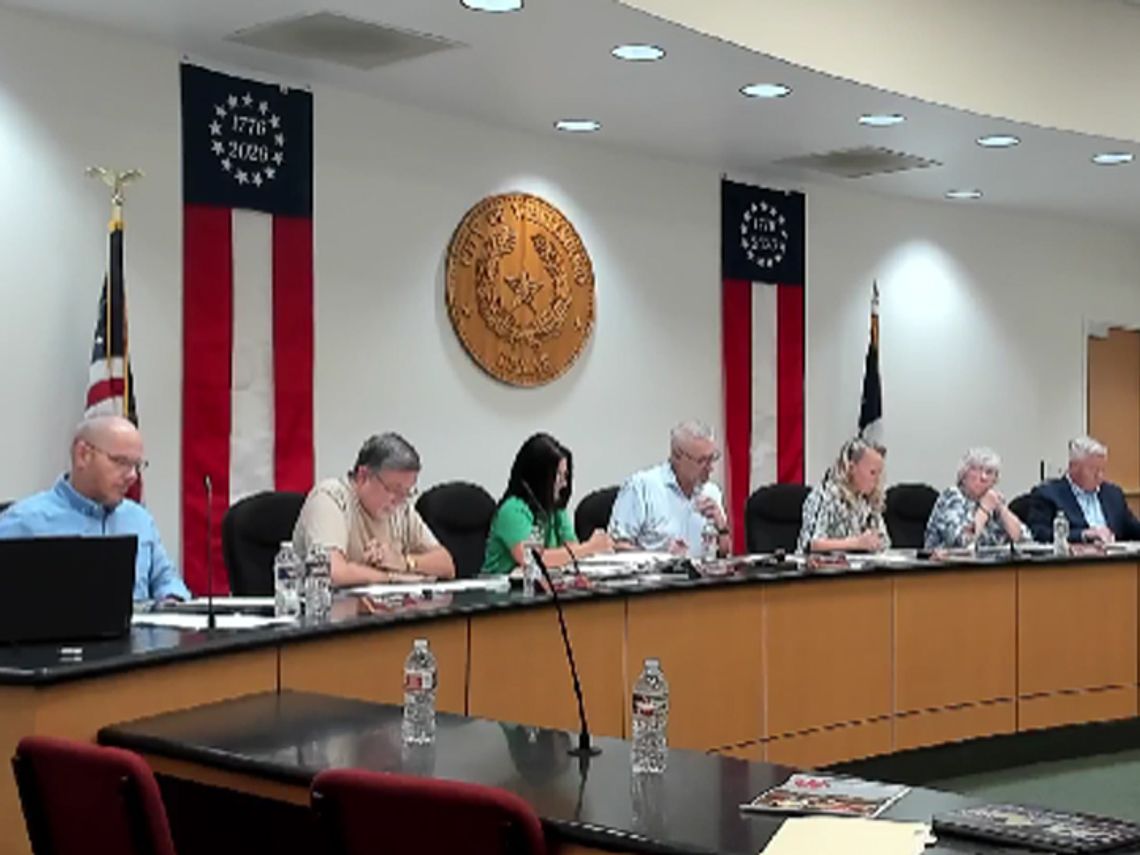
That is the case in Whitesboro, where city leaders continue to scrutinize expenses as they work toward adopting a balanced budget.
During a recent meeting that included virtual input from ZacFinance President Doug Martella, the council reaffirmed a proposed property tax rate of $0.5721 per $100 of valuation. The proposed budget also includes a 3% cost-of-living increase for city employees.
Whitesboro’s certified taxable value for 2027 is $509,420,561, an increase of 4.62% from last year’s $486,908,441.
With the proposed tax rate and valuation, the city expects a tax levy of approximately $2.91 million. Information provided by the city shows about $2.06 million would support the general fund, while approximately $857,625 would go toward debt service.
The proposed budget discussed at the council’s last meeting in August also included six new positions for the fire department.
Those hires are contingent on the city receiving a grant that would help pay the employees’ salaries. Grant notification is expected in October.
Alderman David Bertino praised city department heads for finding additional reductions in proposed expenses.
“That’s what we pay them for,” Bertino said.
The proposed 2027 budget includes approximately $23.8 million in revenues and an equal amount in expenditures.
The council also discussed plans to seek $3.5 million in bonds. The money would be used in part to reimburse the city for approximately $2 million in project costs previously paid with cash and to fund projects already underway.
Alderman Ben Edwards said he did not believe proposed spending reductions went far enough and questioned whether projected revenue from impact fees was too optimistic.
“I think it’s clear that we’ve been overly optimistic about the city’s finances over the last 18 months,” Edwards said, adding that he believes the city should take a conservative approach to the 2027 budget.
Edwards said the city typically ends each year with a significant surplus in the utility fund and that the projected surplus is already being used to balance the proposed 2027 budget.
“At the end of this year, just 12 months from today, we are going to be in a better position by just $200,000,” Edwards said.
Edwards also expressed concern about continued growth in general fund expenses. He said the city could face financial challenges if impact fee revenue falls short of projections or an unexpected major expense arises.
City Administrator Phil Harris said that would become an issue only if the city incurred expenses that were not included in its spending plans.
He said some projects or unexpected expenses could be postponed to a future budget cycle if necessary.
“There’s no requirement that we have to spend these funds,” Harris said.
Harris said the council will review the budget throughout the year and can make adjustments as financial conditions change.
“You make adjustments. It’s not any different than any other business,” Harris said. “You make adjustments based on what’s going on in the economy and things that we don’t control.”
He said some planned expenditures, including road repairs, could be scaled back if financial conditions require it.
The council was scheduled to continue discussing the budget at its Sept. 8 meeting, which occurred after the newspaper’s press deadline.