
Last Friday marked a momentous anniversary in American History.
On Aug. 28, 1963, more than 200,000 Americans descended on Washington, D.C.
They came by bus and train. They flew in from across the country. They carried water jugs, picnic baskets and Bibles.
They also carried grievances. Serious ones.
They came to demand jobs, freedom and equal treatment under the law at a time when segregation remained a fact of
life for millions of Americans.
Washington prepared for the worst.
Hospitals canceled elective surgeries and stocked additional blood supplies. Liquor sales were halted. Thousands of troops were positioned outside the city in case they were needed.
They weren’t.
There was no riot.
There was no widespread destruction.
There was not even a single arrest connected to the march.
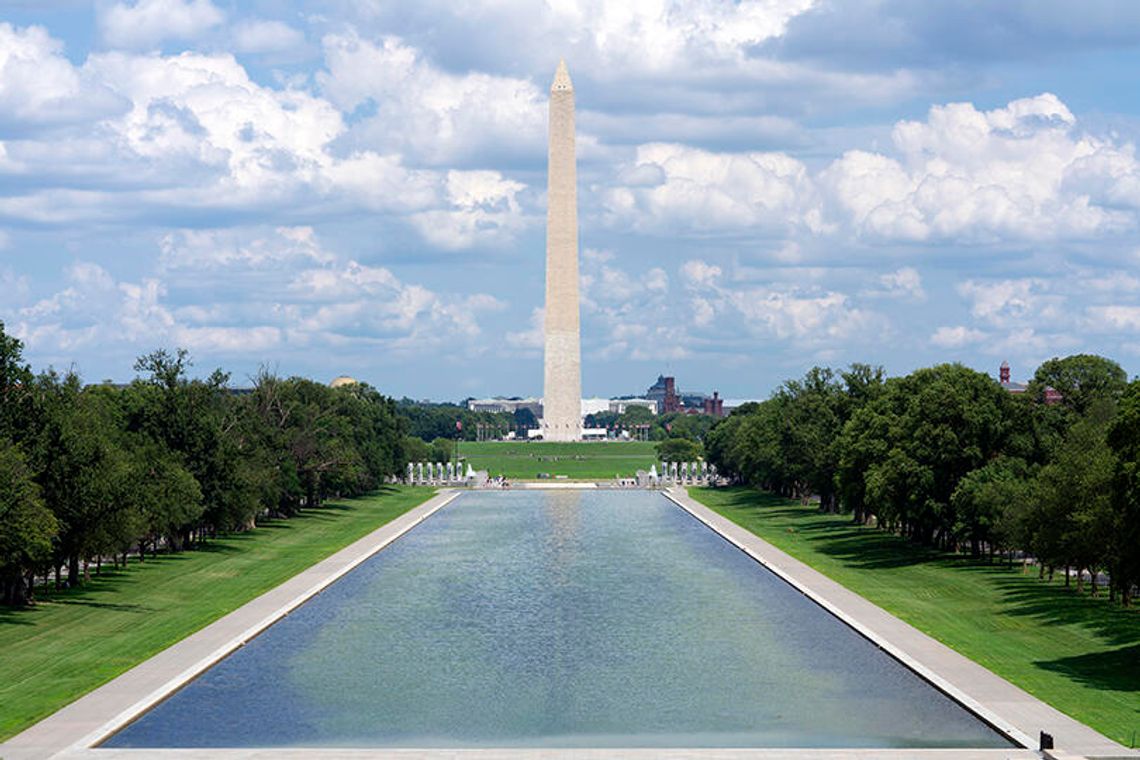
Instead, marchers walked together from the Washington Monument to the Lincoln Memorial. They sang. They prayed. They listened to speeches.
And they made themselves impossible to ignore.
The March on Washington for Jobs and Freedom is remembered today largely because of what happened near its conclusion, when the Rev. Martin Luther King Jr. delivered the words that became his immortal “I Have a Dream” speech.
But 63 years later, perhaps there is another part of that day worth remembering.
More than 200,000 people gathered to demand fundamental change in America, and they did it peacefully.
That seems especially relevant today.
We live in a nation that once again feels deeply divided. Political disagreements become personal.
Demonstrations can become confrontations.
Social media rewards anger and outrage, and people increasingly seem to believe the loudest or most provocative voice must also be the most effective.
The March on Washington offers evidence to the contrary.
Those marchers were not passive.
Peacefulness should never be confused with weakness.
They were challenging laws, customs and institutions that had denied basic rights to generations of Americans. They were asking the country to confront some of its deepest failures.
A. Philip Randolph and Bayard Rustin spent years organizing the effort and bringing together civil rights organizations whose leaders did not always agree with one another.
That may be another lesson for our time.
People with a common purpose do not have to agree about everything to work together on something.
The organizers also understood something that can easily be forgotten in an age of instant outrage.
How a message is delivered can determine whether that message is heard.
Imagine how differently Aug. 28, 1963, might be remembered had Washington erupted in violence.
The fires, broken windows and arrests would have become the story. The cause itself could have been pushed into the background.
Instead, the marchers denied the nation that distraction.
There were no burning buildings to photograph.
There were no clashes to dominate the headlines.
There was simply an enormous gathering of Americans peacefully asking their country to live up to its own promises.
And America listened.
The march did not solve racial inequality. Neither did the landmark legislation that followed. The struggle continued then and continues in different forms today.
But the march helped move the country.
Its lasting power came not only from the size of the crowd or the eloquence of King’s words. It also came from the discipline demonstrated by the people who gathered there.
They proved protest could be forceful without being violent.
They proved disagreement did not require hatred.
They proved people could challenge their government while still appealing to the ideals upon which that government was founded.
And they demonstrated that restraint can sometimes amplify a message rather than weaken it.
There is plenty Americans disagree about in 2026.
There are legitimate grievances on all sides of our political and cultural divides, and Americans retain the fundamental right to assemble, protest, speak and petition their government.
But rights also come with choices about how we exercise them.
Six decades after the March on Washington, perhaps its lesson is not that Americans should protest less.
Perhaps we should learn again how to protest better.
Be loud when necessary. Be persistent. Challenge authority. Demand answers. Organize. Vote. March. Carry signs. Make the powerful uncomfortable.
But remember the power of discipline.
More than 200,000 people did exactly that in Washington 63 years ago.
They arrived demanding that America change.
They left without destroying it, and the whole world heard them.
Source: Freepik.com