
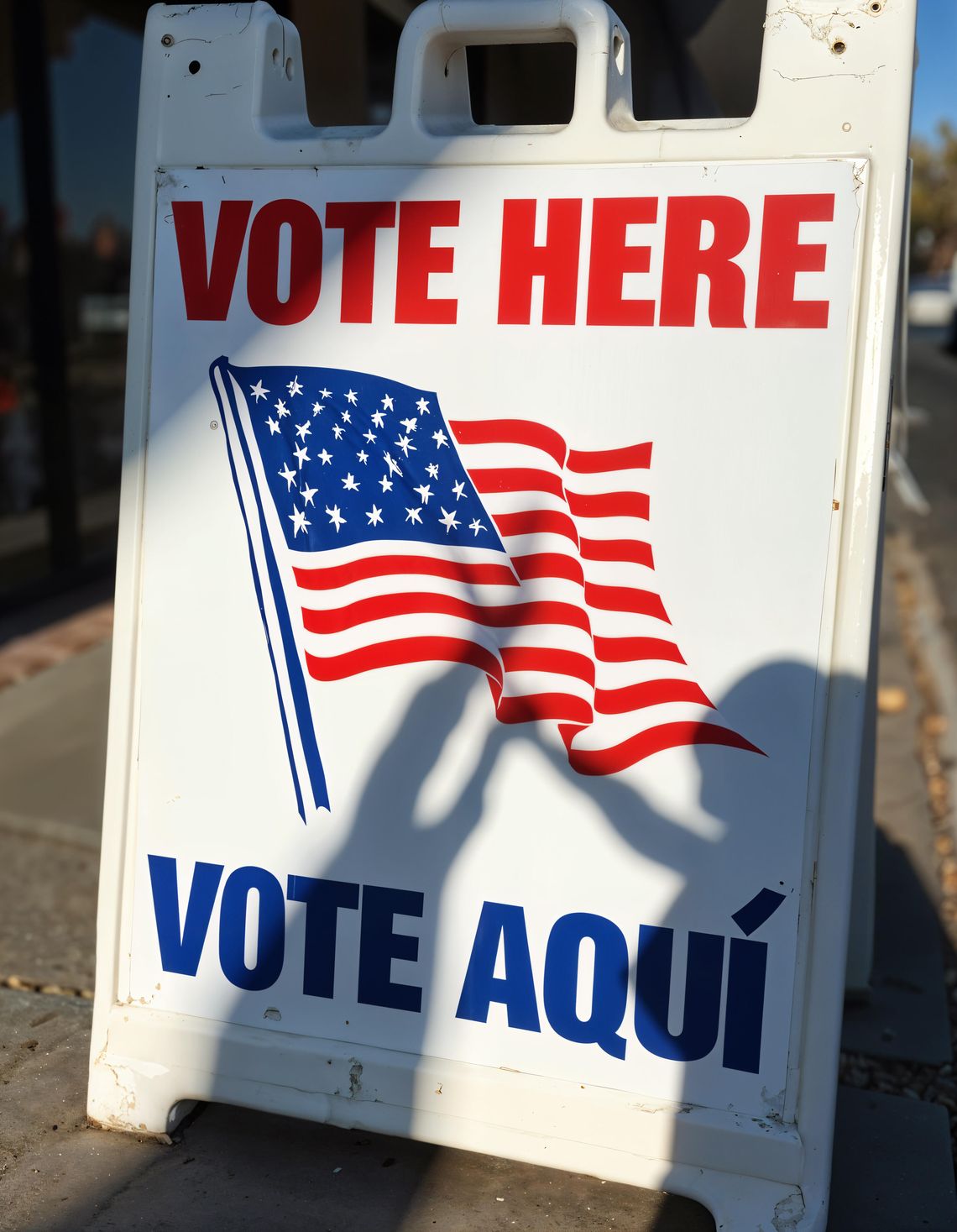
Candidates in more than 30 state and federal races are expected to face off again in the May 26 runoff after failing to secure more than half of the votes cast in the March Republican and Democratic primaries. This includes Attorney General Ken Paxton’s challenge to U.S. Sen. John Cornyn, as well as several candidates for statewide or district-based elected offices in Texas.
In these undecided races, registered voters can choose their preferred candidate on May 26 or during the May 18-22 early voting period.
But remember, Texas doesn’t allow double dipping. Voters who already voted in the Republican or Democratic primary this year can only vote in that same party’s runoff elections. Voters who didn’t vote in March can choose to vote in either party’s runoff. (Texans don’t have to formally register with a party.)
What’s on the ballot?
Here are the statewide Republican runoffs:
• U.S. Senate: John Cornyn and Ken Paxton
• Texas attorney general: Mayes Middleton and Chip Roy
• Texas Railroad Commission: Jim Wright and Bo French
• Texas Court of Criminal Appeals Place 3: Alison Fox and Thomas Smith
Here are the statewide Democratic runoffs:
• Lieutenant governor: Vikki Goodwin and Marcos Vélez
• Attorney general: Nathan Johnson and Joe Jaworski
There are also runoff races for various district representatives for Congress, the Texas House, the State Board of Education and a Republican primary for Texas Senate District 19 along the U.S.-Mexico border. While incumbents in state legislative races generally prevailed, multiple incumbents in Congress faced close races or runoffs.
The candidates who advance to the general election and are elected in November will have the opportunity to affect public policy and Texans’ lives in multiple areas, including education, health care and immigration.
What dates do I need to know?
• April 27 is the last day to register to vote and to submit an address change for the runoff elections. Read more about voter registration here.
• May 15 is the last day to apply to vote by mail. This option is limited in Texas. Read more about who qualifies to vote by mail and the process here.
• Early voting in person is May 18-22. Read more about early voting here.
• Election Day – the last day to vote in person and to return a ballot by mail is May 26.
What do I need to know about voting in person at the polls?
Early voting in person runs from May 18-22.
• Anyone registered to vote may vote early, but it must be done in person unless you qualify to vote by mail.
• Voters can cast ballots at any polling location in the county where they are registered to vote. Check your county election office’s website for early-voting locations and hours.
If you can’t vote inside of a polling place due to injury or a disability, curbside voting may be available. Read more about what qualifies as a disability and about curbside voting options here.
Election Day is May 26.
• Polls are open from 7 a.m. to 7 p.m. on Election Day.
Are polling locations the same on Election Day as they are during early voting?
Not always. Check where polling locations are open on your county’s elections website before you head to cast your ballot. In some counties, Election Day voting may be restricted to locations in your designated precinct. Other counties allow voters to cast ballots at any polling place on Election Day.
(Counties should note on their elections website if voters have to vote at a specific location based on their precinct. To find your precinct, you can reference the voter registration certificate mailed to you or use the state’s voter lookup tool if your county doesn’t have a lookup tool online.)
What form of ID do I need to bring?
You’ll need one of seven types of valid photo ID to vote in Texas:
• A state driver’s license (issued by the Texas Department of Public Safety).
• A Texas election identification certificate (issued by DPS).
• A Texas personal identification card (issued by DPS).
• A Texas license to carry a handgun (issued by DPS).
• A U.S. military ID card with a personal photo.
• A U.S. citizenship certificate with a personal photo.
• A U.S. passport.
Guaranteed time to vote:
• On Election Day, voters have the right to cast a ballot as long as they’re in line by 7 p.m.
• Texas law says voters have the right to vote during work hours without being penalized or losing pay, but this may not apply if a worker has two hours before or after their shift to vote.