City council elections have a way of revealing a community to itself. We are seeing that unfold here in Whitesboro with the current election cycle.
Sometimes local elections inspire, and other times in ways that give us pause.
At their best, these local races showcase what makes small towns and cities work in the first place: people who care enough to step forward.
Unlike national politics, where candidates can feel distant and abstract, city council hopefuls are your neighbors. They’re the ones you see at the grocery store, the ballgame or the school pickup line.
When they run for office, it’s often not for prestige or power, but because they see a pothole that needs fixing— sometimes literally— and believe they can help.
That kind of civic spirit tends to bring out the best in others, too. Residents who might otherwise stay disengaged begin attending meetings, asking thoughtful questions and learning how their local government actually works.
Volunteers organize forums, moderate discussions and encourage respectful dialogue.
For a brief window, there’s a renewed sense that participation matters, that voices can be heard and that the direction of the community is something worth investing in.
You’ll hear good ideas during these election seasons— fresh perspectives on growth, infrastructure, public safety and quality of life.
You’ll also see generosity— candidates thanking one another for running, citizens offering constructive feedback and longtime public servants sharing institutional knowledge with newcomers.
In these moments, democracy feels not just functional, but healthy.
But folks have short memories and elections also have a way of stirring up something less admirable.
Because the stakes feel personal— and at the local level, they often are—disagreements can turn sharp.
A debate over zoning becomes a question of values. A budget discussion morphs into accusations about priorities or integrity.
Social media, in particular, can amplify the worst instincts.
Rumors spread quickly, tone is easily misread and the distance of a screen makes it easier to say things that would never be said face-to-face.
It’s not uncommon to see neighbors who once exchanged pleasantries now avoiding each other over yard signs or candidate preferences.
I’ve seen this all too often and it is gross.
Motives get questioned. Missteps get magnified. And occasionally, the very people willing to serve find themselves discouraged— not by the work ahead, but by the tone of the campaign itself.
That tension is not unique to any one town. It’s part of the messy reality of self-governance.
Still, it raises an important question: what kind of community do we want to be when it matters most?
City council elections are, in many ways, a test— not just of candidates, but of the electorate.
They challenge us to balance conviction with civility, to hold strong opinions without losing sight of shared goals.
After all, once the votes are counted, the yard signs come down, and the winners are sworn in, the community remains.
The same streets, the same schools, the same shared future.
Perhaps the real measure of a successful election isn’t just who wins, but how we conduct ourselves along the way.
Do we listen as much as we speak? Do we assume good intentions before casting doubt?
Do we remember that participation— on all sides— is a sign of a community that cares?
Because in the end, city council elections don’t just shape policy. They shape us.
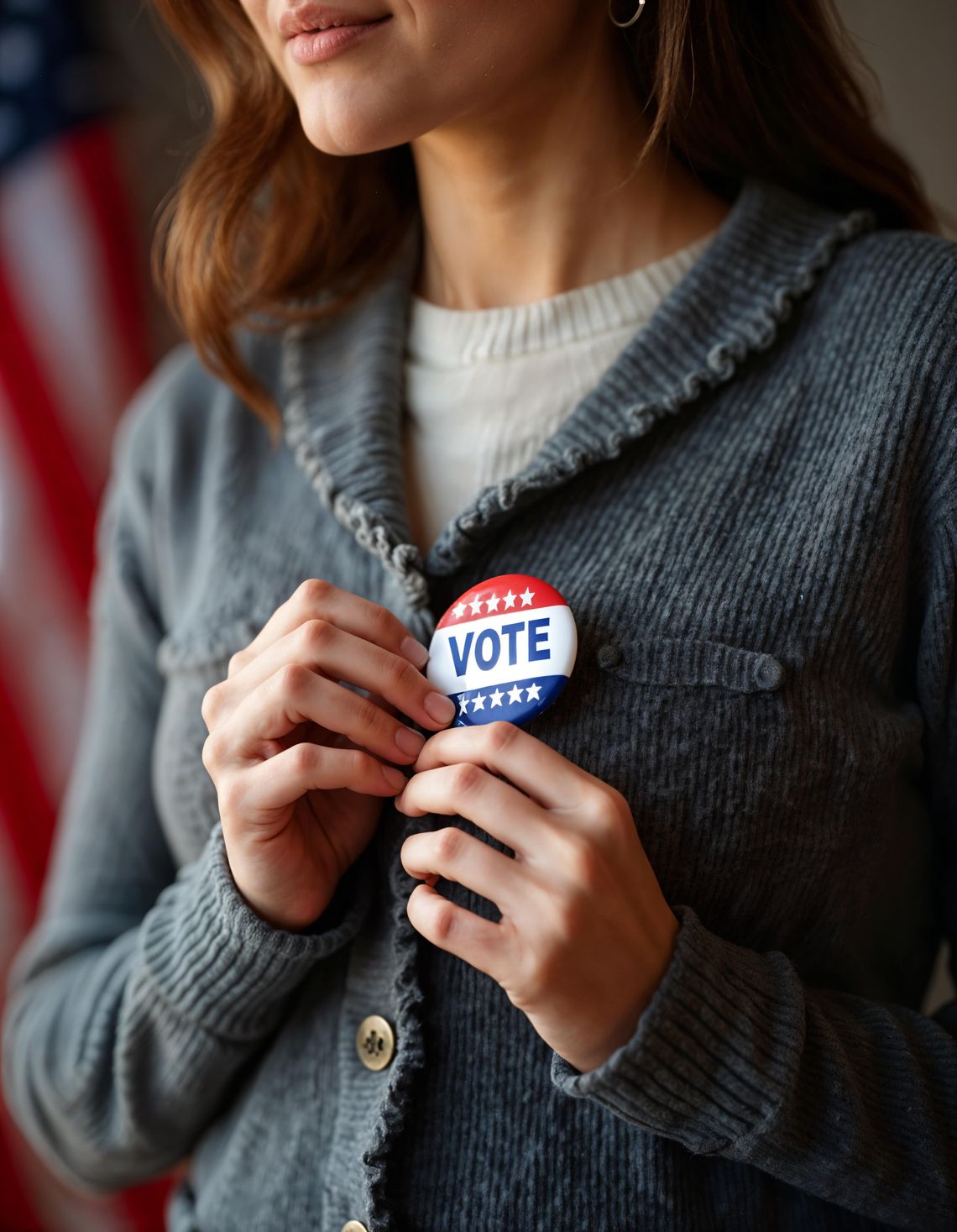
Source: Freepik.com