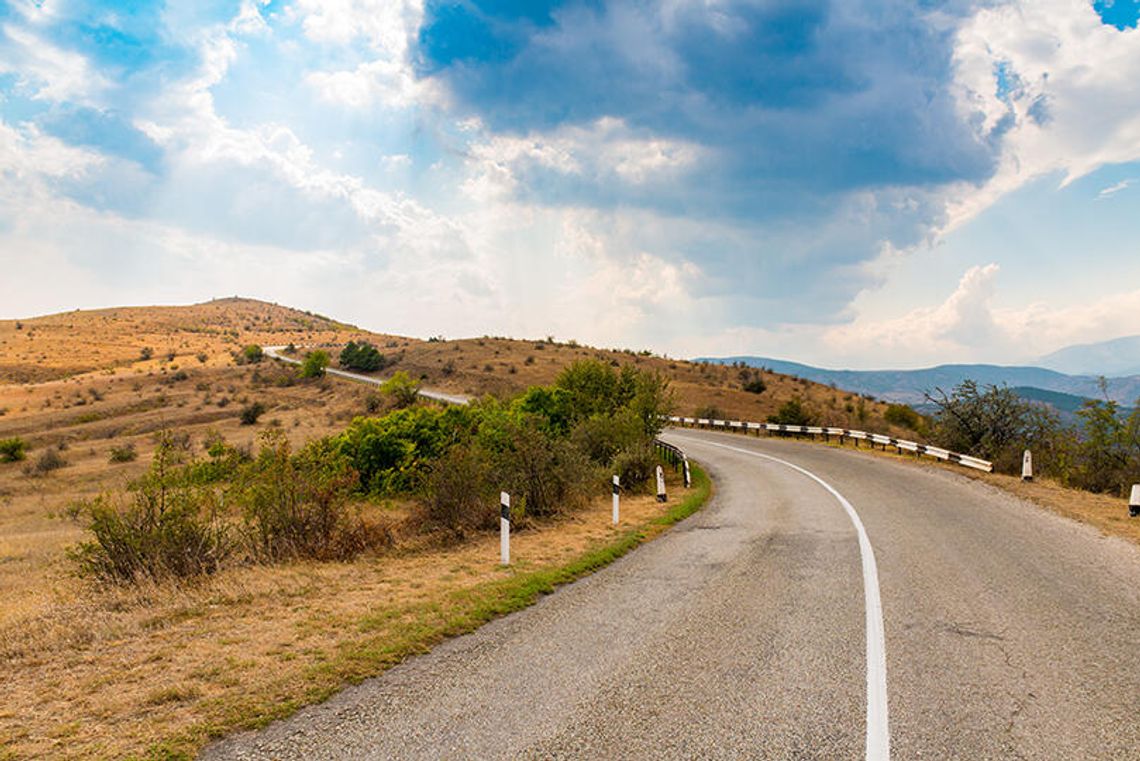
I spent some time on the road again this week, driving across Texas down HWY 287 — watching the land change, passing through small towns and thinking about the people who make this state what it is.
And somewhere between one county line and the next, three questions kept coming back to me.
First—do we matter?
Do rural communities matter to the people at the top who run Texas? Or are we mostly seen as places that produce things—fuel, food, fiber, water, wind —and not places full of people whose lives and futures deserve just as much attention?
Are we part of the vision for Texas… or are we just part of the math?
Because if we’re honest, it can feel like supporting rural Texas makes for a good sound bite when it’s time to talk about values and votes—but not always when it’s time to make decisions that shape our future. We deliver elections. We anchor the identity of this state.
But too often, policy seems to drift toward the more urban places where there are more people, and leaving the folks who live in rural Texas out of the conversation.
And that brings me to the second thing I’ve been thinking about—the change in the political class in Texas.
I gave a speech this week to a group of newspaper editors and discussed how elected officials have lost their independence because they have become less connected to the communities they represent.
You see Texas leadership used to be built from the ground up.
People served on school boards, city councils, hospital districts. They learned how government actually works—how budgets balance (or don’t), how roads get fixed, how hard decisions get made.
That was the training ground.
But more and more, we’re seeing candidates who are recruited, backed, and funded—sometimes by people far removed from the communities they’re running to represent.
Campaigns are built on glossy mail pieces and messaging that doesn’t always tell the full truth. And voters are left trying to sort through it all without the kind of local context that used to come naturally.
So it’s fair to ask—is that part of why people feel disconnected from government right now?
When leadership isn’t rooted in real communities, it’s harder to govern in a way that reflects them.
And that leads me to the third thing I kept coming back to on that drive—something a little closer to home.
Local newspapers.
You may be reading this in your local newspaper right now.
In a world where information moves fast and not always based in truth, local newspapers are still one of the few places where the goal is simple: get it right, because it matters here.
Local editors don’t just cover a community—they live in it. They see the same streets, know the same people, and understand the weight of getting a story wrong. They’re not chasing clicks. They’re trying to tell the truth about a place they care deeply about.
That matters more than ever.
And so do you—the readers who still pick up a paper, who still want to know what’s really going on, who still believe that local communities are worth paying attention to.
Because they are.
Rural Texas isn’t just a backdrop. It isn’t just a resource. And it isn’t just a voting bloc.
We are people. We are families. We are communities that have shaped this state for generations.
The question is whether we’re going to keep insisting that Texas leadership see it that way too.
And from where I was sitting this week—somewhere between here and the next town over—I’d say that conversation is just getting started.
Suzanne Bellsnyder is editor and publisher of the Hansford County Reporter-Statesman and Sherman County Gazette. A former Capitol staffer with decades of experience in Texas politics and policy, she now focuses on how state decisions shape rural life through her newspapers, including the Texas Rural Reporter. Subscribe at www.TexasRuralReporter.Substack.com