
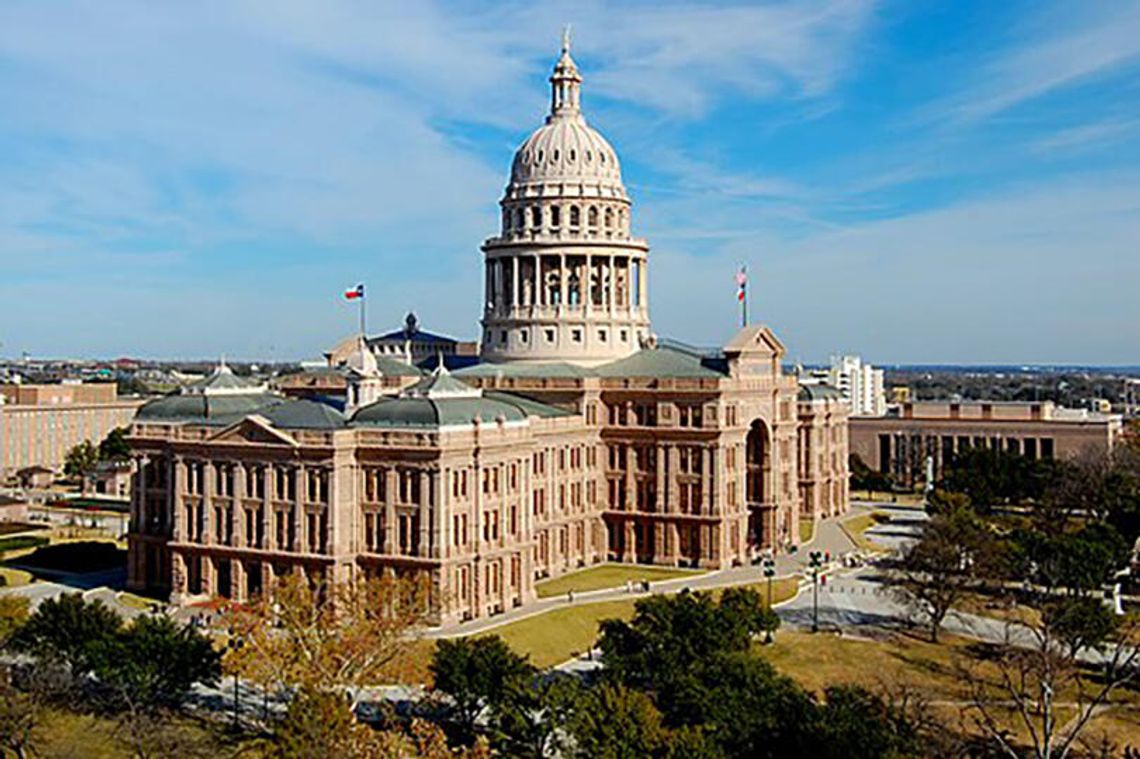
Most folks think the Texas Legislature starts when the gavel drops in January.
But if you’ve been around this process long enough, you know better.
The real work — the kind that shapes what lawmakers will spend their time on — starts long before session ever begins. It starts with something called interim charges.
Interim charges are essentially a research assignment. The Speaker of the House and the Lieutenant Governor assign them to committees, telling lawmakers what to study between sessions. It’s a chance to slow down, ask better questions, and really understand the issues before decisions have to be made during the short 140 days of a legislative session.
And if you want to know what’s coming next for Texas, this is where you look.
Because what gets studied now is what gets debated later.
In this latest round of interim charges, rural Texas is clearly part of the conversation — and that’s a good thing.
But it also means now is the time to speak up.
Both the House and Senate are taking a closer look at water — how we manage it, how it’s used, and how growing demands from new industry and data centers could impact local supplies.
House Committee Chairman Cody Harris suggested the Legislature may be looking at changes to the “rule of capture” — and if you’re in agriculture, that’s the kind of statement that ought to make you stop and pay attention.
Water is what keeps our farms running, our towns growing, and our families planted in place. And with drought and population growth putting pressure on supply, the stakes are only getting higher.
When lawmakers start studying water, that’s the moment for rural communities to make sure they understand what that really looks like on the ground — and what it means when the state begins to take a closer role in how it’s used.
The same is true for our local public schools.
Lawmakers in both chambers will be studying school finance, enrollment trends, teacher pay, and how recent changes — including school choice — will play out across the state. The House is taking a closer look at teacher shortages, while the Senate is examining academic outcomes and trends like four-day school weeks.
In rural Texas, a school is more than a building. It’s part of the identity of a town. It’s Friday nights, it’s community pride, and it’s often one of the largest employers in the county.
If decisions are coming that affect our schools, we need to be part of that conversation now — not after the fact.
Health care, EMS, and fire protection are also getting attention.
Committees are studying rural ambulance services, hospital stability, workforce shortages, and the needs of volunteer fire departments, especially in areas with wildfire risk.
If you’ve ever waited on an ambulance that had to come from the next town over, or watched neighbors step up to fight a fire with limited equipment, you already know why this matters.
These aren’t just policy discussions. They are the systems that keep rural communities functioning.
There’s also a growing focus on infrastructure — power, transmission lines, roads, and large-scale development.
Some of that growth is heading toward rural Texas. And while growth can bring opportunity, it also raises important questions about water use, land, local roads, and whether communities have a voice in what’s happening around them.
That’s why this stage of the process matters so much.
The interim charges are the listening stage. Lawmakers will hold hearings, take testimony, and try to understand what’s working, what’s not, and what needs to change.
But they can’t do that well without hearing from the people who live it every day.
That means county officials, school leaders, farmers, business owners, and everyday citizens. It means rural voices showing up — or at the very least, reaching out.
Because if we don’t tell our story, someone else will tell it for us.
This is also the moment to give your legislators the cover to do the right thing.
When they hear directly from the people back home — clearly, consistently, and early — it shapes how they think about an issue before the pressure of session ever begins.
So pay attention. Stay engaged. And make sure your leaders know what matters where you live.
Because by the time the Legislature gavels in next January, the groundwork will already be laid.
And in Texas, the communities that speak up early are the ones that are better heard when it counts.
Because at the end of the day, the strength of this state doesn’t start in Austin.
It starts in places like ours — where people are still close enough to the work, the land, and each other to know what matters.
And that’s exactly the voice Texas legislators needs to hear right now.
Suzanne Bellsnyder is editor and publisher of the Hansford County Reporter-Statesman and Sherman County Gazette. www.TexasRuralReporter.Substack.com