
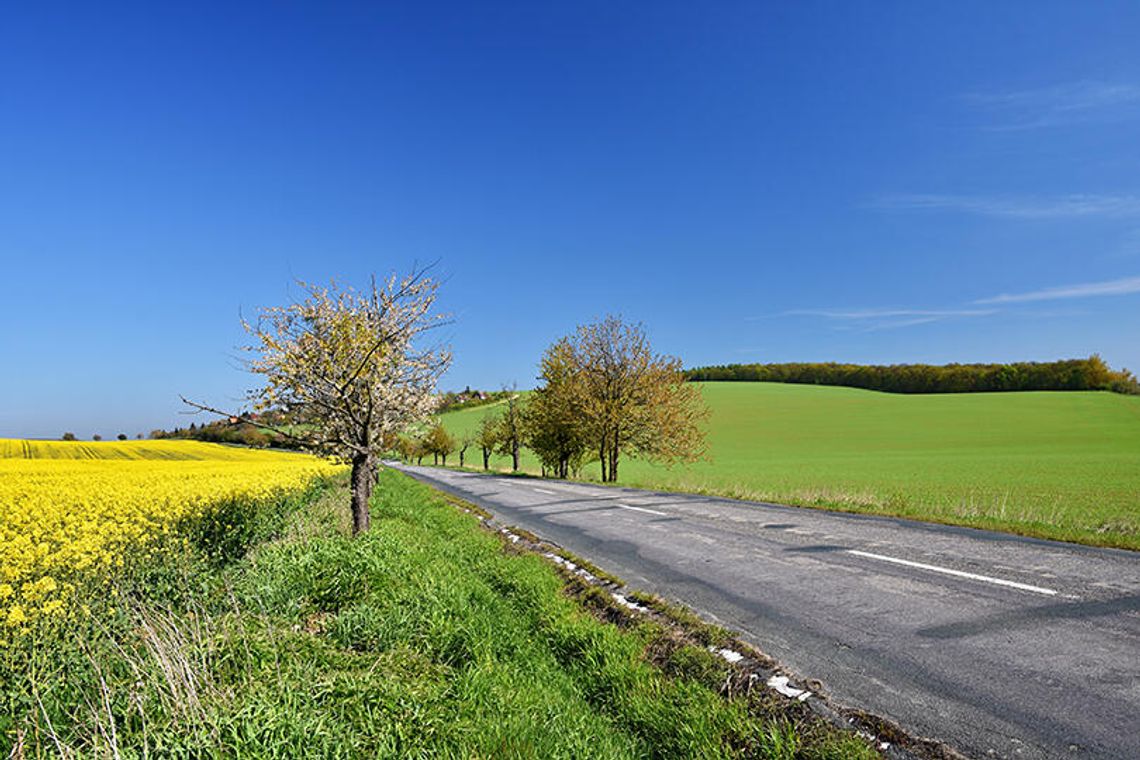
If you live in rural Texas, it will come as no surprise that county roads across the state are failing. You feel it every time you dodge a pothole, ease past slow-moving farm equipment, or watch a school bus crawl down a road that hasn’t seen real maintenance in years.
Transportation may not sound exciting, but the condition of our county roads is a conversation rural Texans should be paying close attention to. These roads carry our kids to school, ranchers to their land, ambulances to emergencies, fire trucks to grass fires, and workers to the jobs that power much of the Texas economy. Yet county roads remain one of the most underfunded parts of our public infrastructure system.
As part of the Dirt Road Tour of rural Texas, I interviewed on my podcast this week Cass County Judge Travis Ransom about the challenges facing rural counties. What I learned was this: road funding has become one of the most serious issues counties face, and the state’s approach to it is based on a model that has not meaningfully changed since 1954.
While the Texas Department of Transportation builds and maintains the state highway system, counties are responsible for nearly all roads outside city limits that are not state highways. In Cass County alone, that’s close to 1,000 miles of road maintained on a road and bridge budget of just over $3 million. To put that into perspective, a single quarter-mile chip seal now costs around $40,000. At today’s construction costs, counties can barely keep roads from falling apart, much less improve them.
Texas collects a 20-cent-per-gallon state motor fuels tax that generates nearly $4 billion a year for transportation. Yet counties receive none of it. Instead, all 254 counties split about $7.3 million from General Revenue through what’s known as the Lateral Roads Fund — an amount that has effectively been frozen for 70 years.
So who pays for county roads? Mostly, rural taxpayers do. Counties rely heavily on local property taxes to fund road maintenance. In sparsely populated areas with limited commercial tax base, that simply doesn’t go far enough. Equipment costs the same in Cass County as it does in Houston. Asphalt doesn’t get cheaper because fewer people live nearby. The result is deferred maintenance, year after year, and roads that continue to deteriorate.
Judge Ransom is proposing a modest, practical idea he calls “A Penny for County Roads.” His suggestion is that the Legislature dedicate just one penny of the existing state motor fuels tax to counties for county road work. That’s five percent of the tax Texans are already paying at the pump. No new tax. No bond debt. Just a fairer allocation.
That one penny would allow counties to move out of constant crisis mode and begin planning and maintaining roads before they fail. It would also shift road funding toward a user-based model rather than relying almost entirely on property taxes — something rural Texans, who already feel the strain of rising appraisals, should care about.
Because the money would be dedicated, it would not depend on political priorities each session or compete with urban megaprojects. It would give rural Texas a stable source of funding for one of government’s most basic responsibilities: safe, reliable roads.
And the safety stakes are real. About seven percent of traffic fatalities in Texas occur on narrow, aging county roads, often with drainage problems, limited shoulders, and poor visibility. These roads regularly carry heavy trucks, farm equipment, and emergency vehicles.
In many rural communities, the need is not complicated: safe pavement, proper drainage, and roads fire trucks and ambulances can actually use.
Texas has experienced historic budget surpluses. If lawmakers are serious about improving people’s lives, directing more attention to counties — where government is closest to the people — would be a meaningful place to start.
What struck me most in this conversation is how practical this proposal is. Rural counties have already stretched limited dollars as far as they can. But creativity cannot substitute for structural reform.
Judge Ransom plans to take this idea to Austin and is encouraging counties across Texas to support it with formal resolutions. Rural Texans can help by raising this issue with county leaders and legislators and asking why county roads remain such a low priority in a state that depends so heavily on them.
Rural Texans show up. We vote. We fuel the state’s agricultural, energy, and timber economies. We deserve infrastructure funding that reflects that contribution.
A penny for county roads will not solve everything overnight. But it would acknowledge a simple truth: rural roads matter — not just to those who live here, but to the Texas economy as a whole.
This is more than a statement about transportation, it is also about giving local governments the tools to protect their people. If Texas truly believes rural Texas matters, than county roads should reflect that.
Suzanne Bellsnyder is editor and publisher of the Hansford County Reporter-Statesman and Sherman County Gazette. A former Capitol staffer with decades of experience in Texas politics and policy, she now focuses on how state decisions shape rural life through her newspapers and the Texas Rural Reporter. You can subscribe to the newsletter at www.TexasRuralReporter.Substack.com