
Out across rural Texas, new development rarely arrives with a parade.
It shows up quietly at first. A transmission survey stake in a neighbor’s pasture. A landman knocking on doors. A closed-door meeting at city hall about “economic development opportunities.”
By the time the wider community realizes what’s happening, contracts are signed, tax abatements are granted, and headlines are already celebrating a “transformational project.”
Artificial intelligence development is shaping up to be the next land rush — and rural Texas is directly in its path.
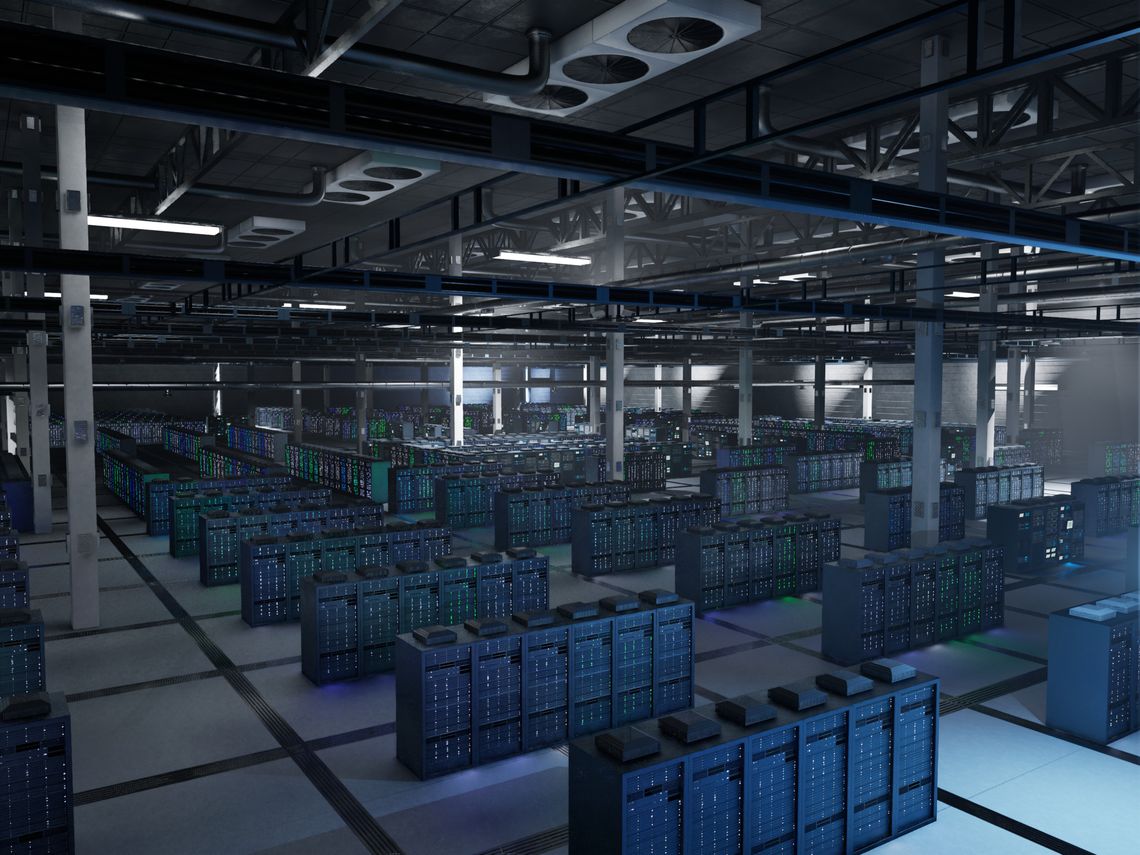
Data centers, server farms, and AI processing hubs require exactly what rural communities often have: large tracts of land, access to transmission, available water, and local governments eager for tax base growth. To national site selectors, rural Texas looks ideal. To many rural communities, the long-term costs and consequences are still largely unknown.
That’s why a recent conversation I had with a longtime rural newspaper editor and development leader has stayed with me. When we talked about rural economic development, he emphasized something small towns rarely get the luxury of: pre-development — the idea that communities build understanding, standards, and negotiating power before projects arrive, not after the damage is done.
Rural Texas has lived this cycle before. Oil booms. Wind farms. Solar fields. Water exports. In many early projects across those industries, benefits were uneven, impacts permanent, and decisions rushed. AI development carries many of the same risks, but on an even larger scale.
Unlike a warehouse or factory, AI infrastructure reshapes entire regions. These facilities demand enormous amounts of electricity. Many require significant water use for cooling. They often come with extensive tax abatements. And while they are marketed as economic engines, they typically produce far fewer permanent jobs than their physical footprint suggests.
Rural Texas is not wrong to want investment. But there is a difference between welcoming development and negotiating from weakness.
That brings us to the first consideration: rural communities must shore up their bargaining power before any contracts are put on the table.
Once land is purchased, abatements approved, and infrastructure commitments made, local power shrinks dramatically. At that point, towns are no longer shaping projects — they are managing consequences.
Pre-development means public conversations before nondisclosure agreements. It means local officials asking hard questions about water draw, grid load, emergency services, tax impacts, and land use. And it means communities deciding in advance what kind of development fits their long-term vision — and what doesn’t. This is how rural Texans keep the power and define the terms.
The second consideration is more uncomfortable — and more political.
AI development is not just a technology issue. It is rapidly becoming a power and policy issue.
Major technology interests are now funding political campaigns at both the federal level and in Texas. These efforts are increasingly tied to resisting regulation of artificial intelligence — including Texas-based proposals that would put safeguards in place for citizens, consumers, and communities. At the same time, federal pushes are growing to centralize AI policy in ways that could override state authority.
For rural Texas, this is not an academic debate or a distant policy fight. It is already playing out on the ground in rural counties all across the state.
If rural communities are being asked to host massive AI infrastructure — to supply the land, water, power, and tax incentives — then Texans should also retain the right to shape how that industry operates within our borders.
This is not about opposing innovation. It is about whether decisions that affect rural land, rural utilities, rural tax bases, and rural families will be made in county courthouses and the Texas Capitol — or in corporate boardrooms and federal agencies hundreds of miles away.
At its core, this is a rural sovereignty issue. It comes down to who controls the resources, who carries the risk, who truly benefits, and who gets to make the decisions.
AI development is often framed as a “tech” story. In reality, it is a rural governance story. This has impacts on land use, water security, grid capacity, local taxation, emergency response, long-term environmental stewardship. And ultimately, whether rural Texans remain in the driver’s seat of their future or passive hosts of other people’s priorities.
Rural communities can take a different path. One that starts with open forums before projects are announced, local governments exploring model ordinances and infrastructure impact standards, economic development corporations defining what community benefit actually means, regional coalitions sharing information instead of competing in silence, and local media asking questions long before the press releases arrive.
AI is coming to rural Texas. That much is clear.
The question now is not whether it arrives — but whether it arrives on rural Texas terms.
Rural Texans don’t need to fear technology. But we do need to insist on transparency, local control, and the right to protect our communities before we are asked to give pieces of them away.
Because once the servers arrive on semitrucks, the most important decisions have already been made.
Suzanne Bellsnyder is editor and publisher of the Hansford County Reporter-Statesman and Sherman County Gazette. A former Capitol staffer with decades of experience in Texas politics and policy, she now focuses on how state decisions shape rural life through her newspapers and the Texas Rural Reporter. You can subscribe to the newsletter at www.TexasRuralReporter.Substack.com